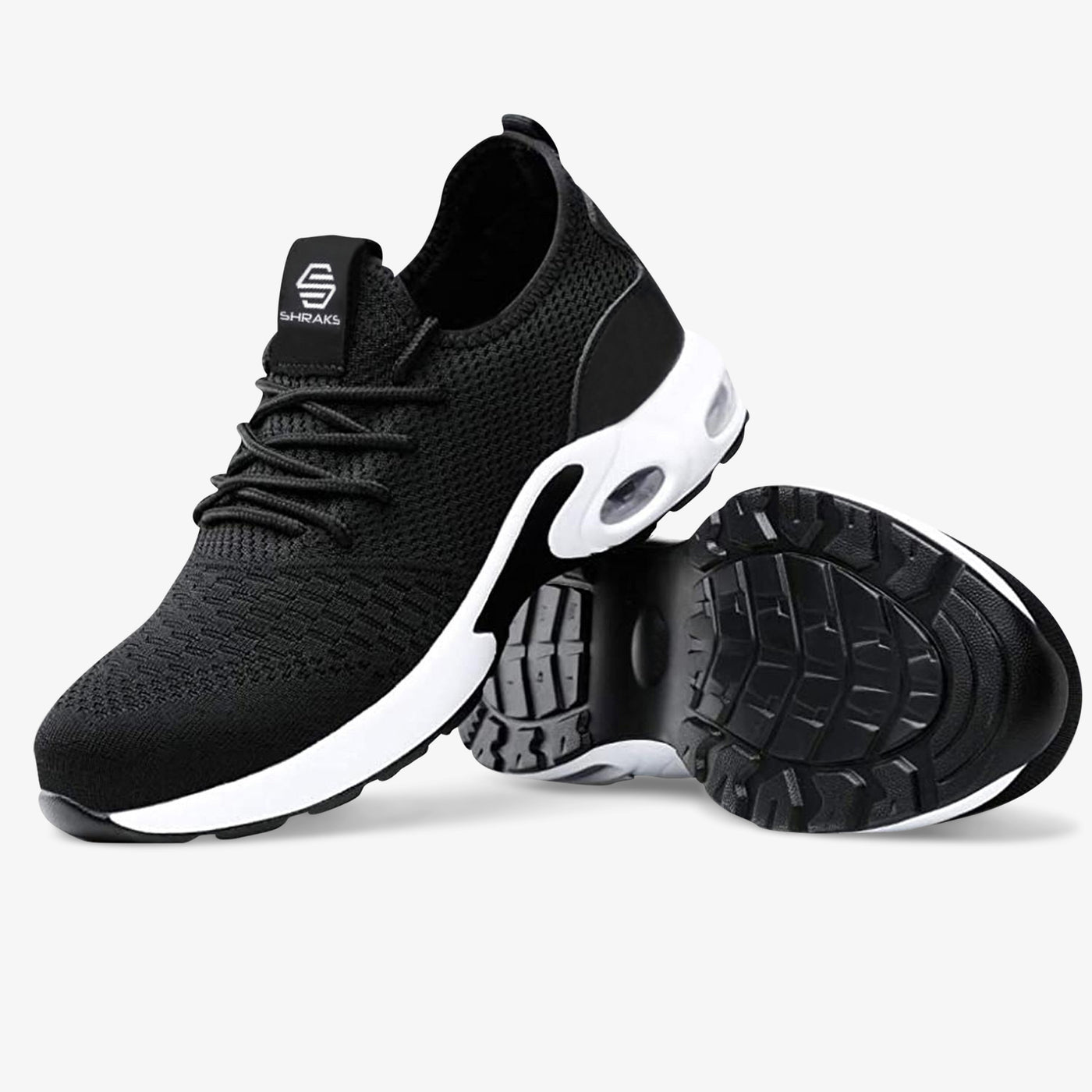
Shraks vs Site (Screwfix): Weight, rating, grip and price, side by side.
Site is the Screwfix own-brand, and for a lot of UK trades it is the default because it is in the branch when the old pair gives out. Shraks comes at it from the other side: a certified work shoe built to feel like a trainer.
Below is a straight comparison on the nine points that decide whether a shoe survives your shift: rating, toe cap, puncture resistance, upper, insole, sizing, price and returns.
Check the current specification of any pair you are considering. Ranges within a brand vary widely, and a line can change between seasons.
Note: this comparison uses publicly listed specifications. Brand names belong to their owners and neither brand has endorsed this page.
1. Safety rating
Shraks: EN ISO 20345:2022 S1PSSite: S1 P SRA
Most people buy on the look of the shoe and take the word safety on the listing to mean something. It doesn't; the letters after it do. Site and Shraks both carry the S1P family of markings, so on certification there is genuinely nothing between us, and you should ignore anyone who tells you otherwise. What the class actually promises is that a toe cap, an antistatic sole and a puncture-resistant midsole were tested in a lab instead of written by a marketing team. Read the letters before you read anything else on a page.👉 See the Moon
2. The toe cap
Shraks: Steel toe cap, tested to 200 joulesSite: Steel, 200J
This is the row where a lot of comparisons pretend there's a difference and there isn't. Site uses a steel cap and so does Shraks, both tested to 200 joules, and on toe protection the two shoes are the same answer. Which is useful to know, because it means the decision is being made somewhere else on this page: in the midsole, the weight, the sizing or the return window. Don't let a spec both shoes share do the deciding.👉 See the Moon
3. Puncture resistance
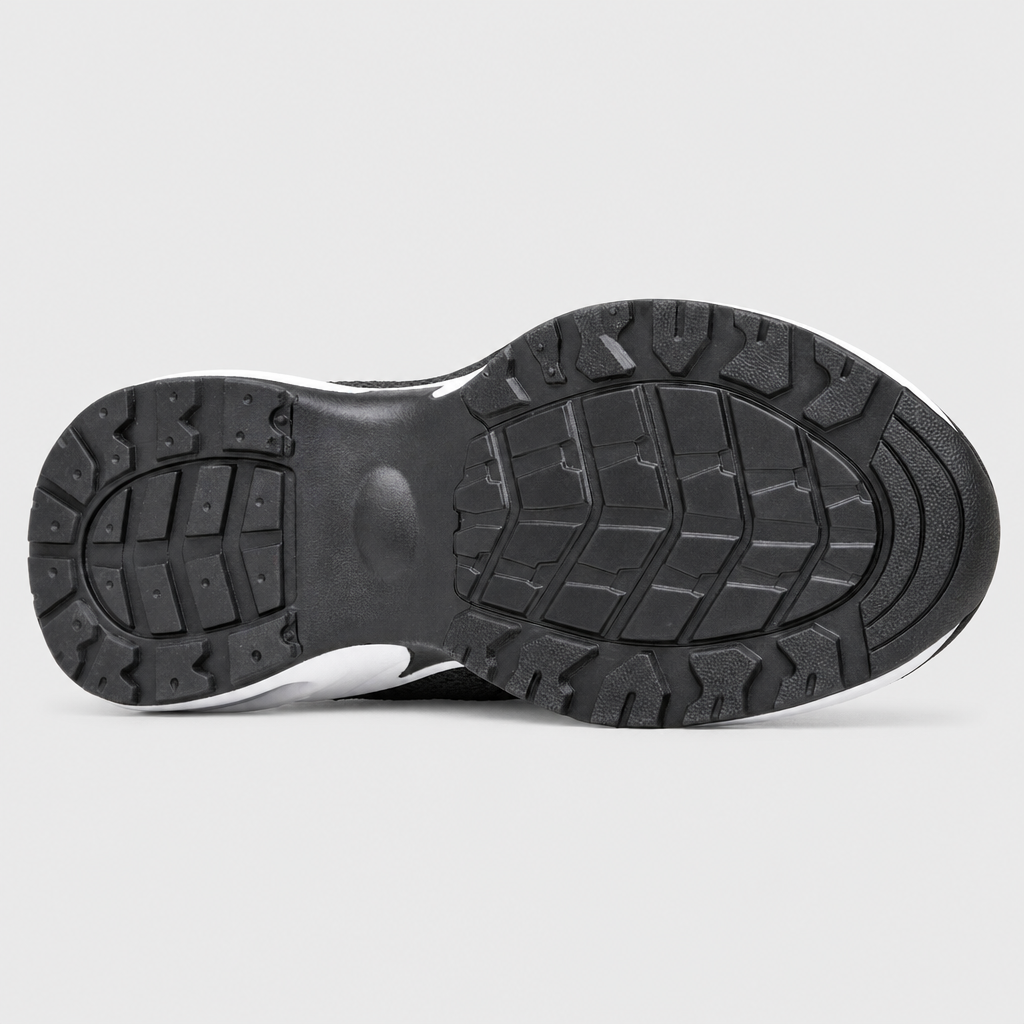
Shraks: Puncture-resistant KevlarSite: Steel penetration-resistant midsole
Most people never think past the toe cap, and the floor is where the injuries actually happen. Site uses a steel plate under the foot and Shraks uses a Kevlar textile layer; both are certified, and the plate is not the weaker one. What differs is behaviour rather than strength: steel is rigid and conducts cold, textile flexes with the foot and covers more of the footprint, because a plate has a fixed shape and the toes and edges sit outside it. On a cold slab all day, that is the row that decides it.👉 See the Moon
4. Upper
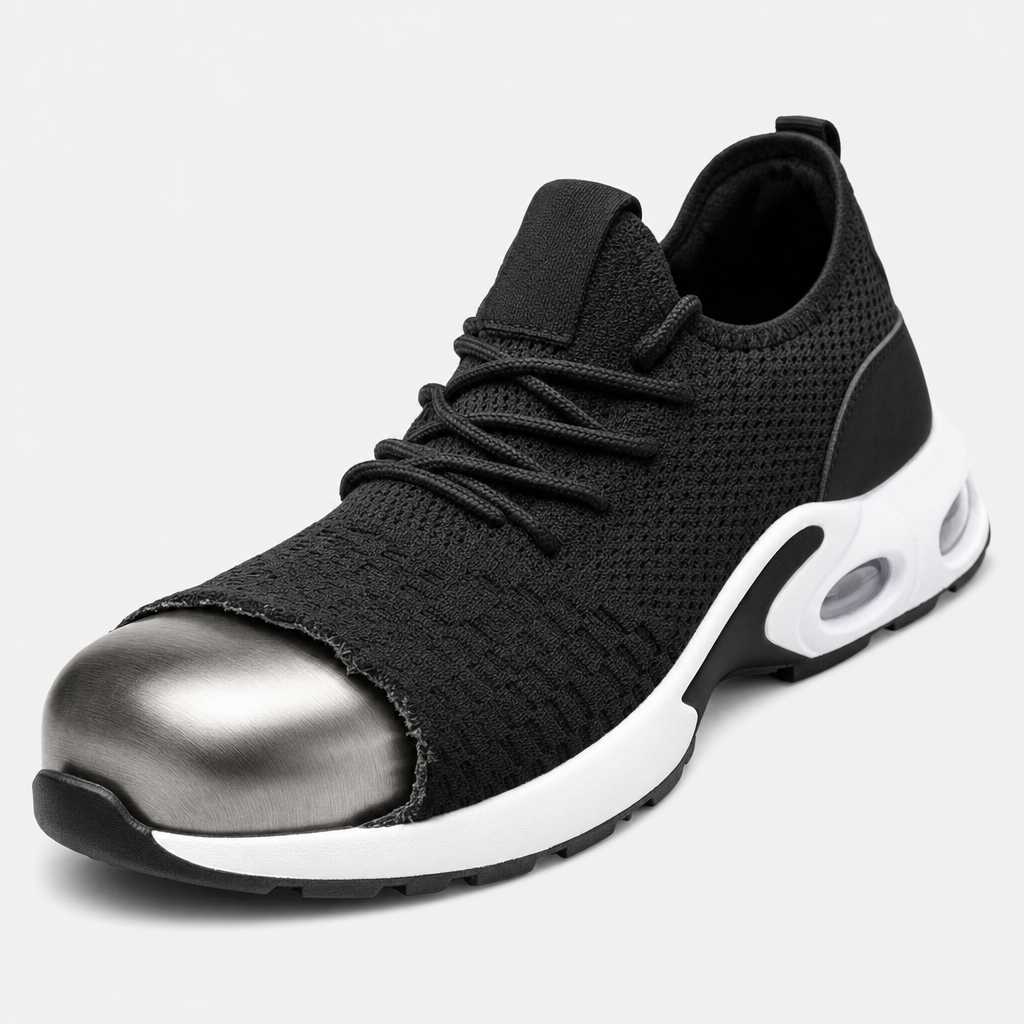
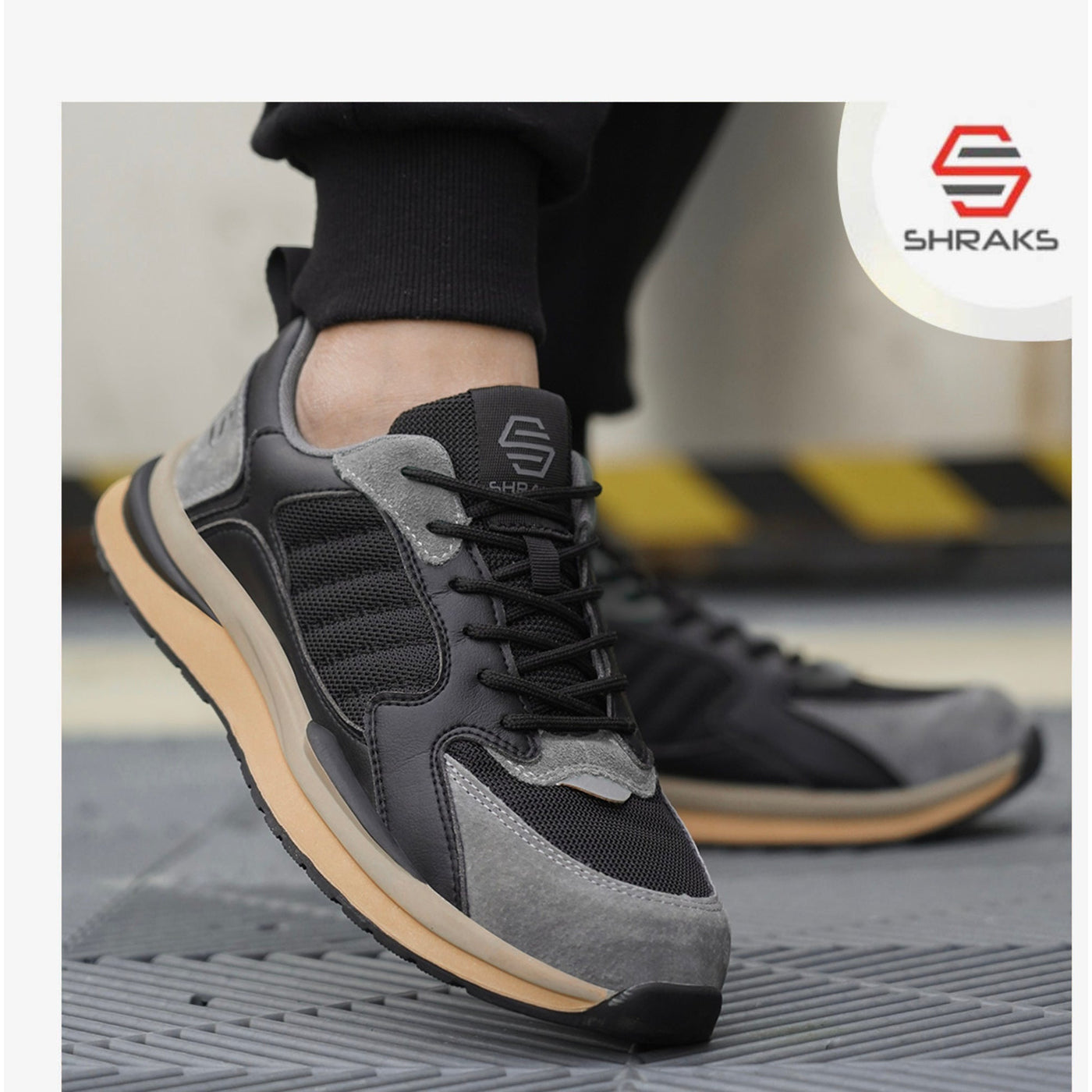
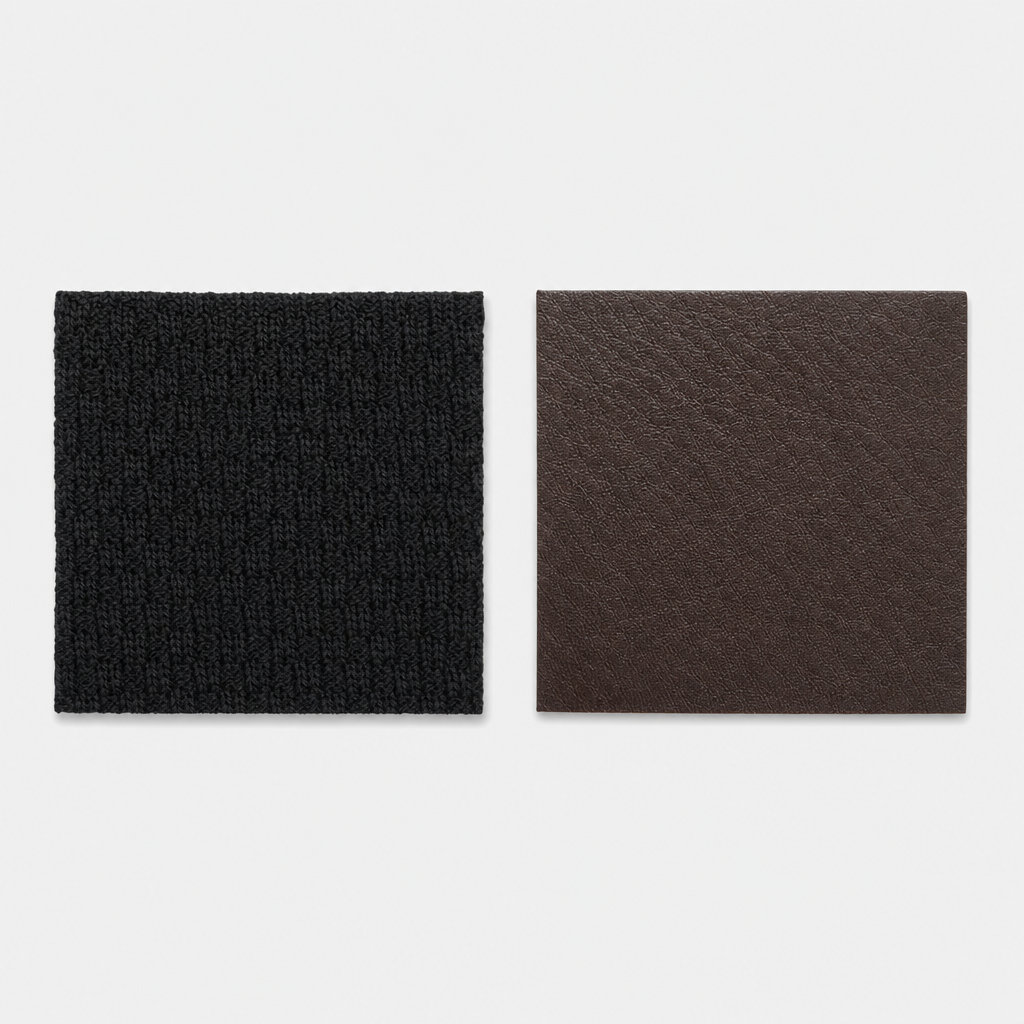
Shraks: Breathable meshSite: Action nubuck leather and mesh
The received wisdom is that leather is the hard-wearing choice and mesh is the flimsy one, and on abrasion that is fair: Site's leather upper will outlast mesh against a kerb or a ladder rung. What nobody mentions is the cost of it. Stiff leather is why work footwear has a break-in period at all, and why the first fortnight in a new pair is spent on blisters. Shraks uses breathable mesh, which is lighter, cooler and far less stiff to start with, and which is not waterproof. How long a shoe takes to settle is a property of the material, not a rite of passage.5. Insole
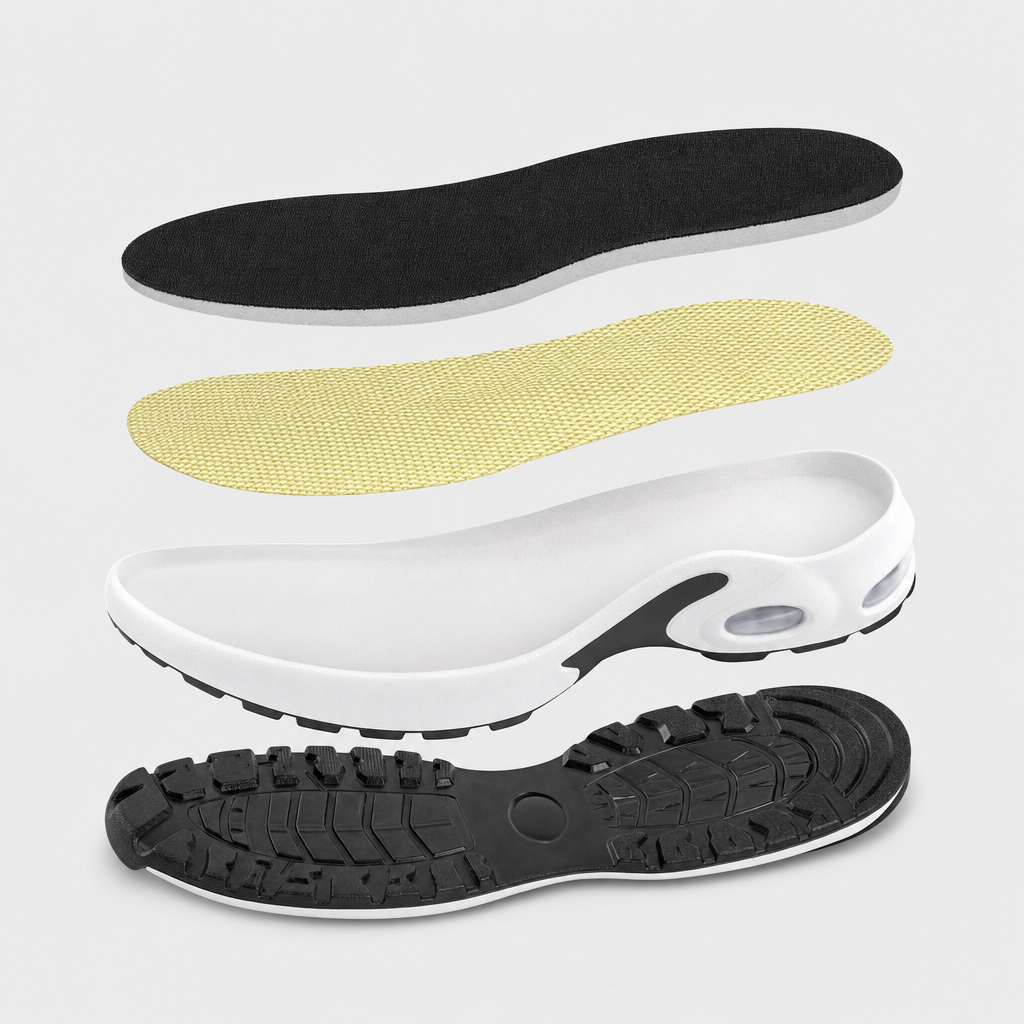
Shraks: Cushioned and removableSite does not state this on the product page.
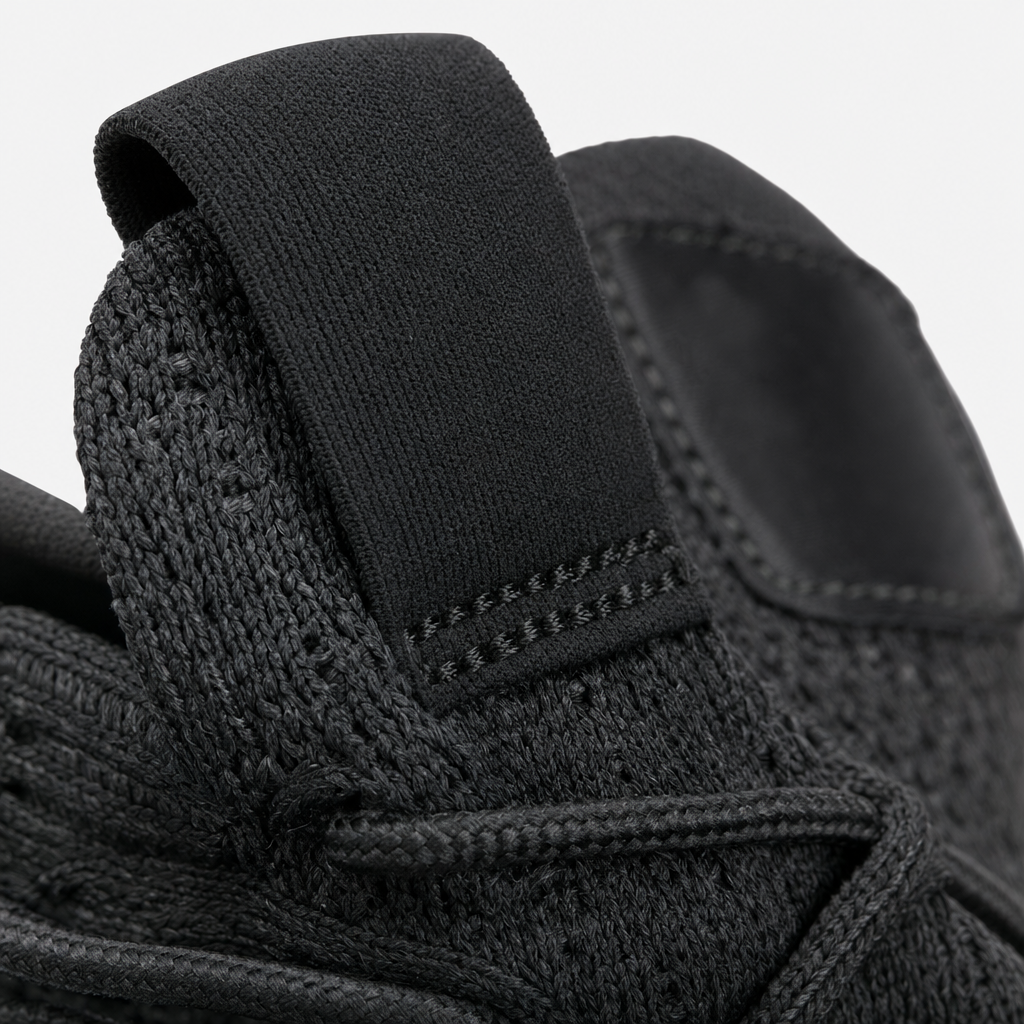
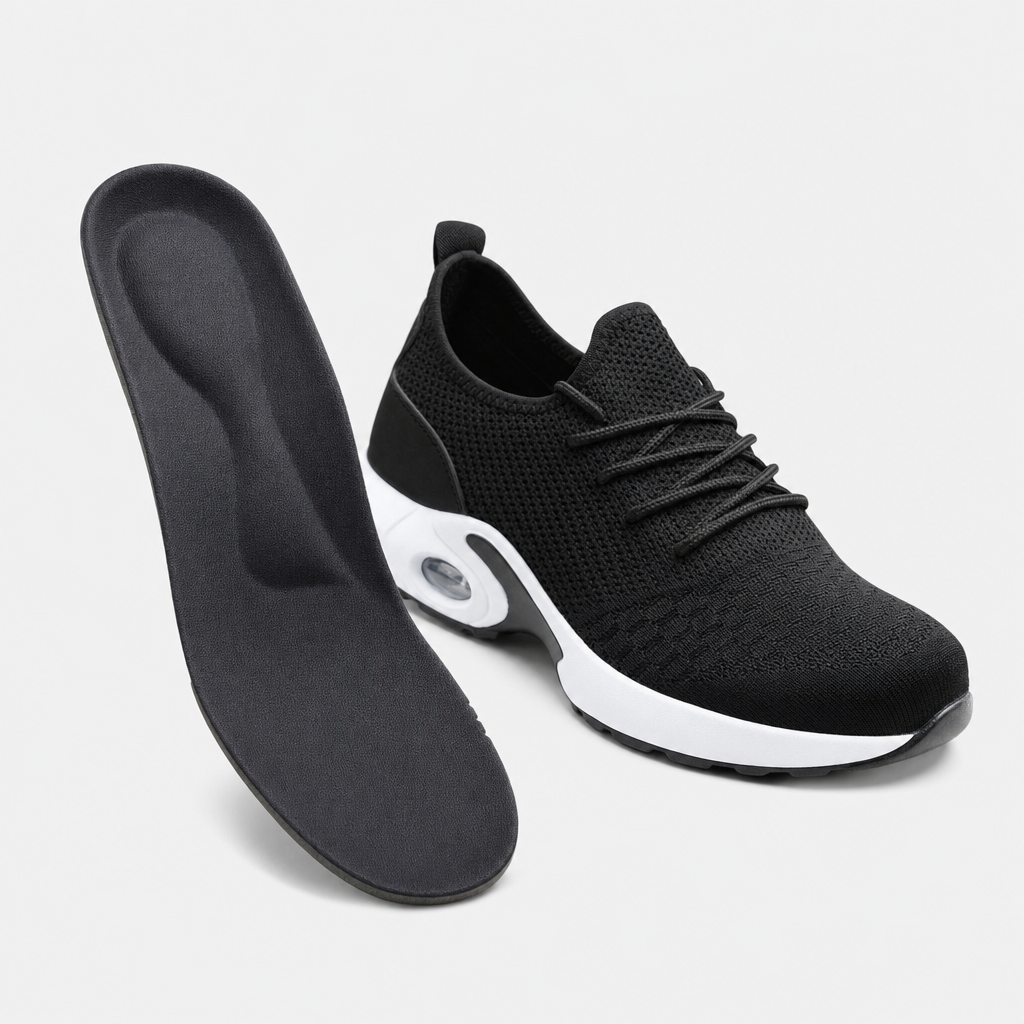
Most people put up with the insole a shoe came with, and the ones who can't buy an insert and hope it fits. Site's page never says whether its insole comes out, which is the answer you least want when you already wear orthotics. The Shraks footbed is cushioned and removable, so yours goes in on day one. A glued-in insole doesn't just feel worse, it makes the shoe unusable for anyone carrying a prescription insert, and that is a lot of this trade.
6. Sizing
Shraks: EU 35 to 47Site: UK 7-12
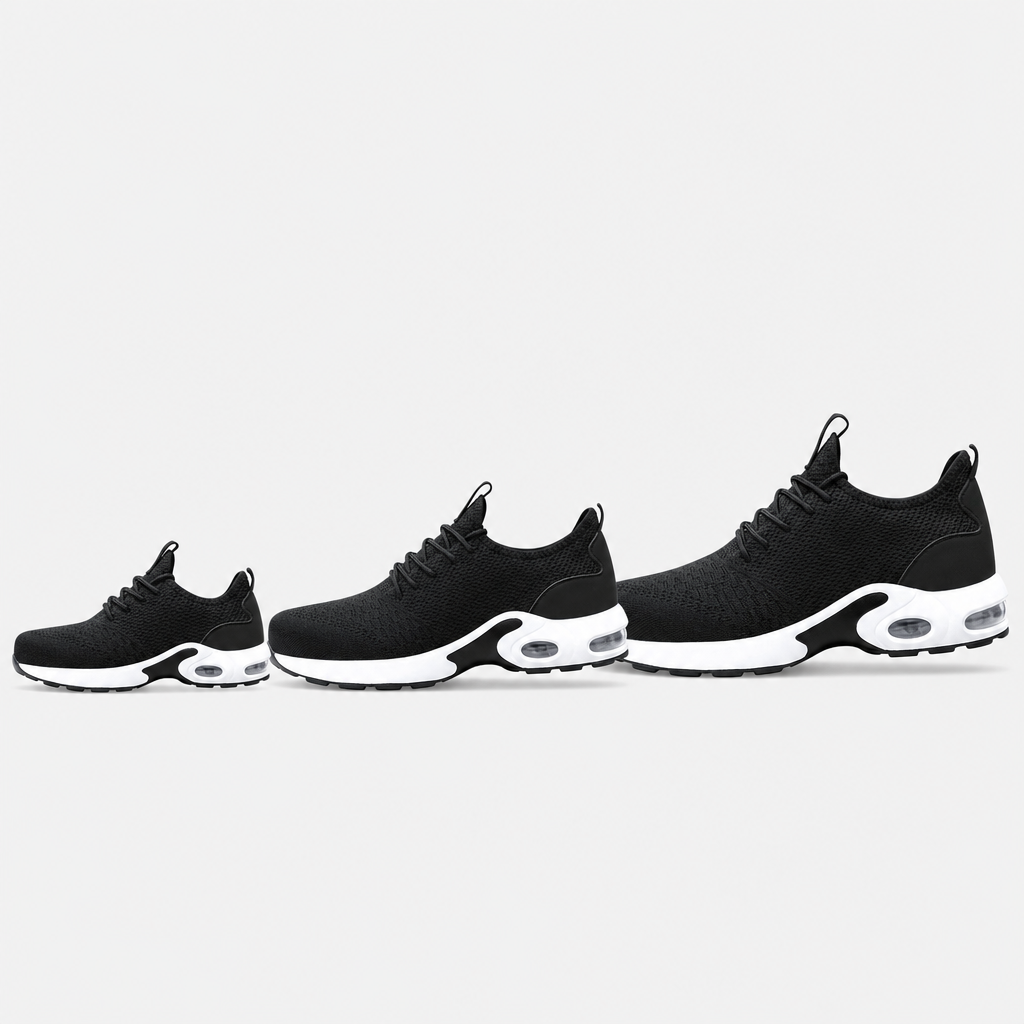
The standard approach to a narrow size range is to take the nearest size up and wear a thicker sock, which moves the blister rather than preventing it. Site lists UK 7-12, while Shraks runs one range across the whole line. A size range that starts where men's sizes start tells you which foot the last was cut for, and everyone outside that range is buying a scaled-down version of a shoe designed for someone else.7. Price
Shraks: £79.99Site: £42.99 inc VAT
We are not the cheap option on this page and it would be insulting to pretend otherwise. Site undercuts Shraks, carries a certified rating, and for a lot of people that settles it, particularly if the shoes take a beating and get replaced every few months. What the lower price does not tell you is how long the pair lasts or how the eighth hour feels, and neither page can prove that to you. Buy on price where the work is hard on shoes, and on the rest of this table where it is hard on feet.8. Returns window
Shraks: 30-day returnsSite: 30 days
Both shoes give you 30 days, so on this row there is nothing to choose and we won't invent something. It is still the most useful row on the page, because it is the only one that lets you test the thing neither page can tell you. Every spec above this line can be read off a screen; whether a shoe suits your foot after nine hours cannot, and a month of real shifts is the only instrument for it.9. Weight
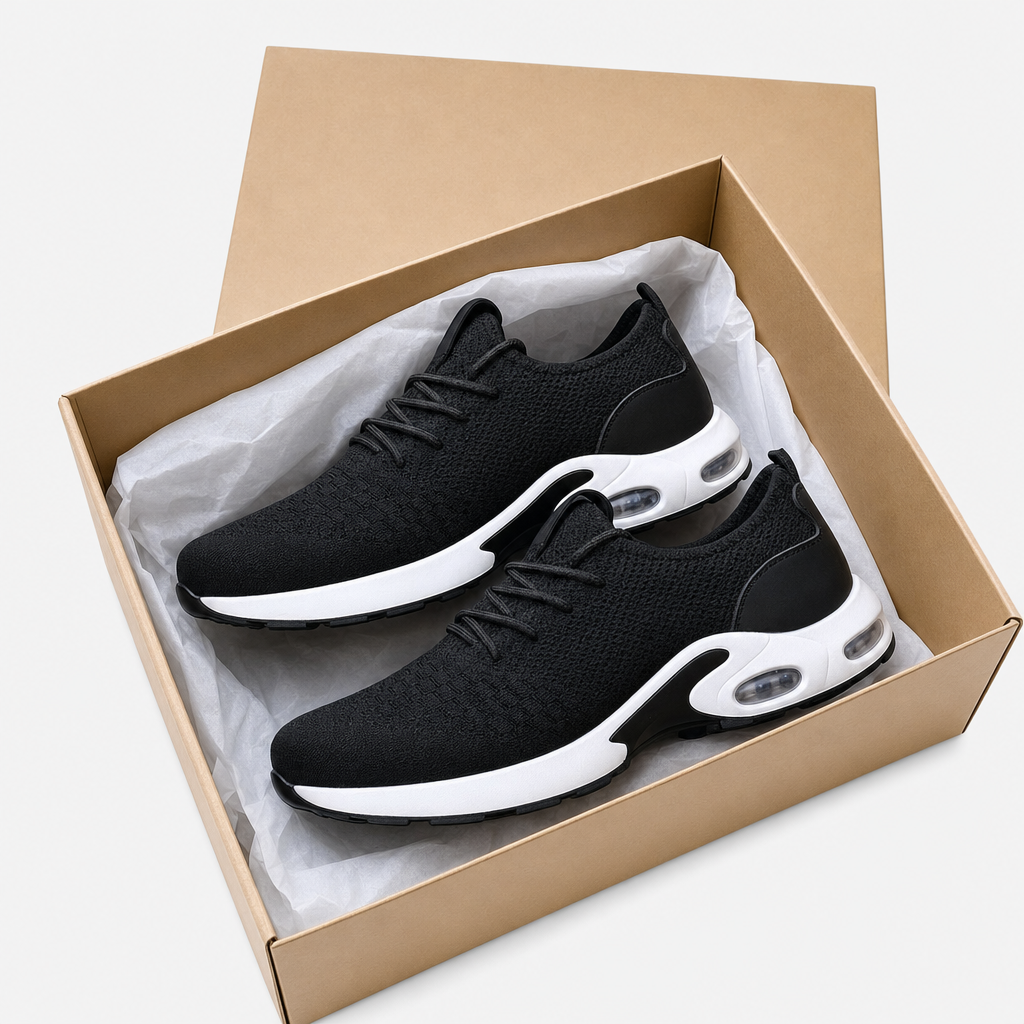
Shraks states about 420 grams a shoe. Site publishes no figure you can put beside it, so we do not compare it.Lightweight is the most used word in this category and the least often followed by a number. Site does not publish a weight for this shoe, which means the claim can't be checked, and it is not unusual: of the sixteen competitor products we priced for these pages, twelve publish no weight at all, and the four that do never say whether the figure is for one shoe or the pair. Shraks states about 420 grams a shoe. The insight is that weight is the spec you feel every single day and the one the industry is quietest about, which is unlikely to be a coincidence.