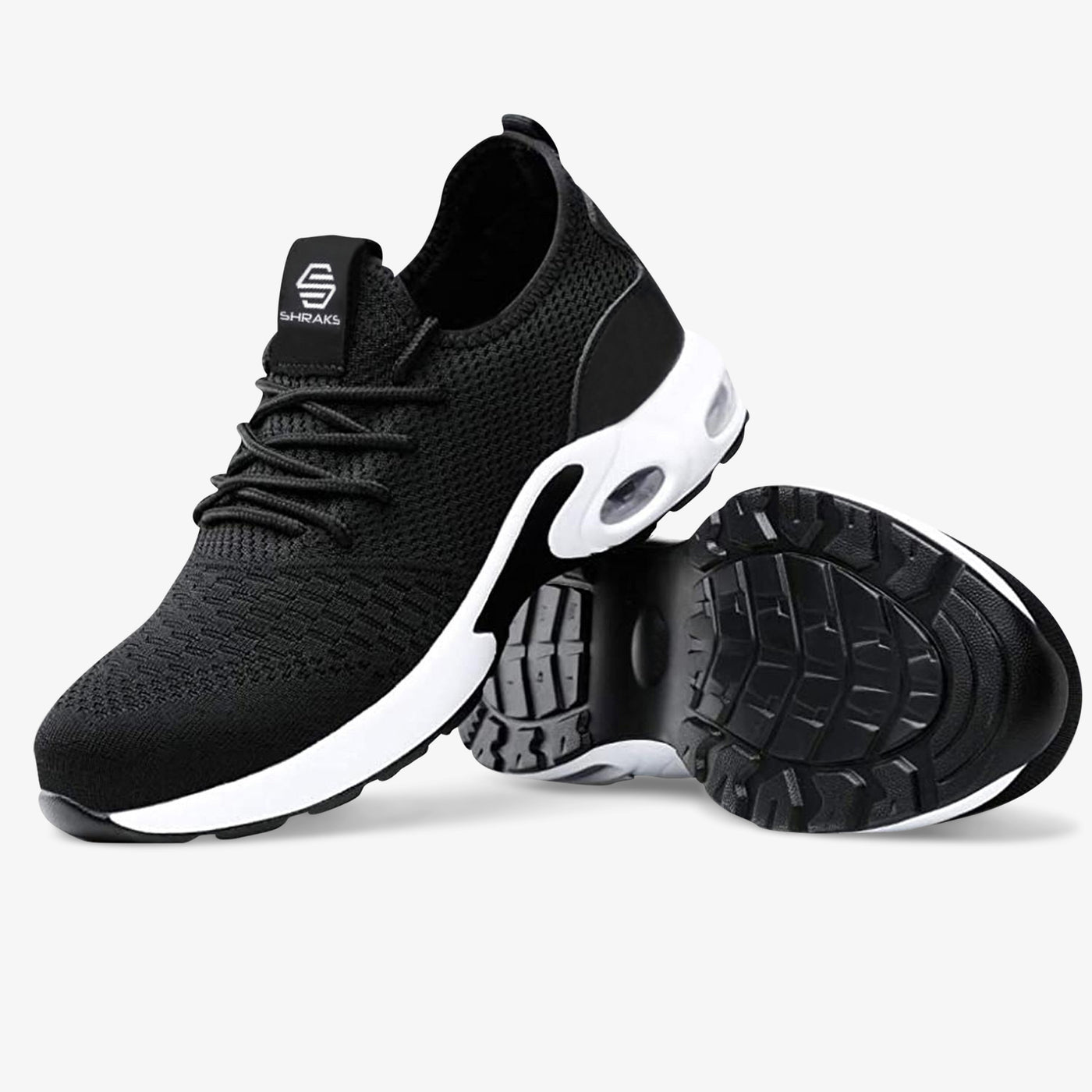
Shraks vs Reebok Work: Weight, rating, grip and price, side by side.
Reebok Work builds safety footwear on athletic lasts, which is the same basic promise Shraks makes: protection without the weight of a traditional work shoe.
The comparison worth making is on specification, not on branding. Here are the nine points that decide it, starting with the safety rating.
Check the current specification of any pair you are considering. Ranges within a brand vary widely, and a line can change between seasons.
Note: this comparison uses publicly listed specifications. Brand names belong to their owners and neither brand has endorsed this page.
1. Safety rating
Shraks: EN ISO 20345:2022 S1PSReebok: EN ISO 20345 S1P SRC
Most people buy on the look of the shoe and take the word safety on the listing to mean something. It doesn't; the letters after it do. Reebok and Shraks both carry the S1P family of markings, so on certification there is genuinely nothing between us, and you should ignore anyone who tells you otherwise. What the class actually promises is that a toe cap, an antistatic sole and a puncture-resistant midsole were tested in a lab instead of written by a marketing team. Read the letters before you read anything else on a page.👉 See the Moon
2. The toe cap
Shraks: Steel toe cap, tested to 200 joulesReebok: XTR composite
The usual advice is that steel is the serious option and composite is the soft one, which is simply wrong. Both Reebok's composite cap and the steel cap in a Shraks pass the same 200 joule impact test, and a cap that passes is a cap that passes. The real difference is volume: steel is thinner at equal protection, so it takes less room off your toes, while composite is lighter and won't set off a metal detector. Pick on where you work and what you walk through, not on which material sounds tougher.👉 See the Moon
3. Puncture resistance
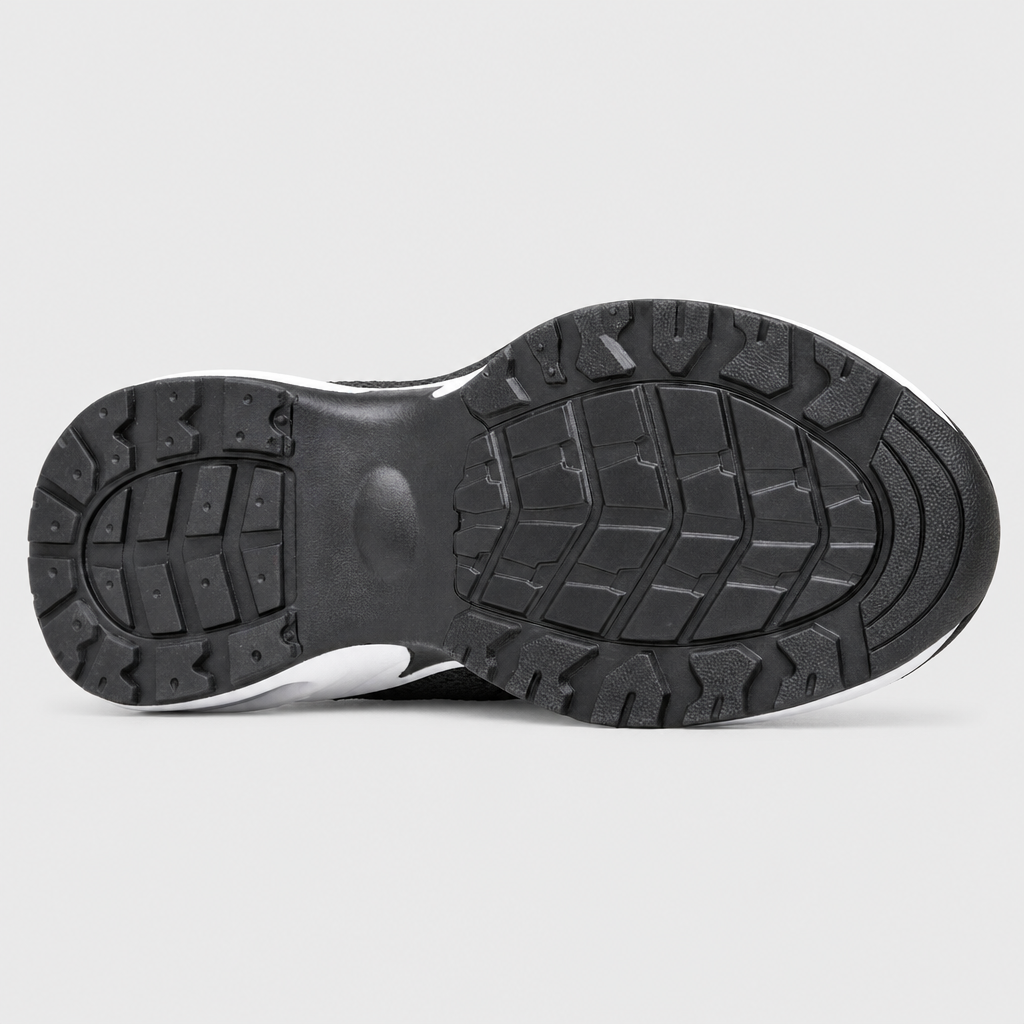
Shraks: Puncture-resistant KevlarReebok: Composite midsole
Almost everyone reads a thick, chunky sole as a sole that stops a nail. Sole thickness has nothing to do with it: the only thing that stops a nail is a certified anti-penetration layer, which is what the P in the rating is for and why a trainer with no P will let a roofing nail through a centimetre of rubber. Reebok and Shraks both have that layer, ours in Kevlar. The insight worth keeping is that this is a separate test from the toe cap, so a shoe can protect your toes completely and your arch not at all.👉 See the Moon
4. Upper
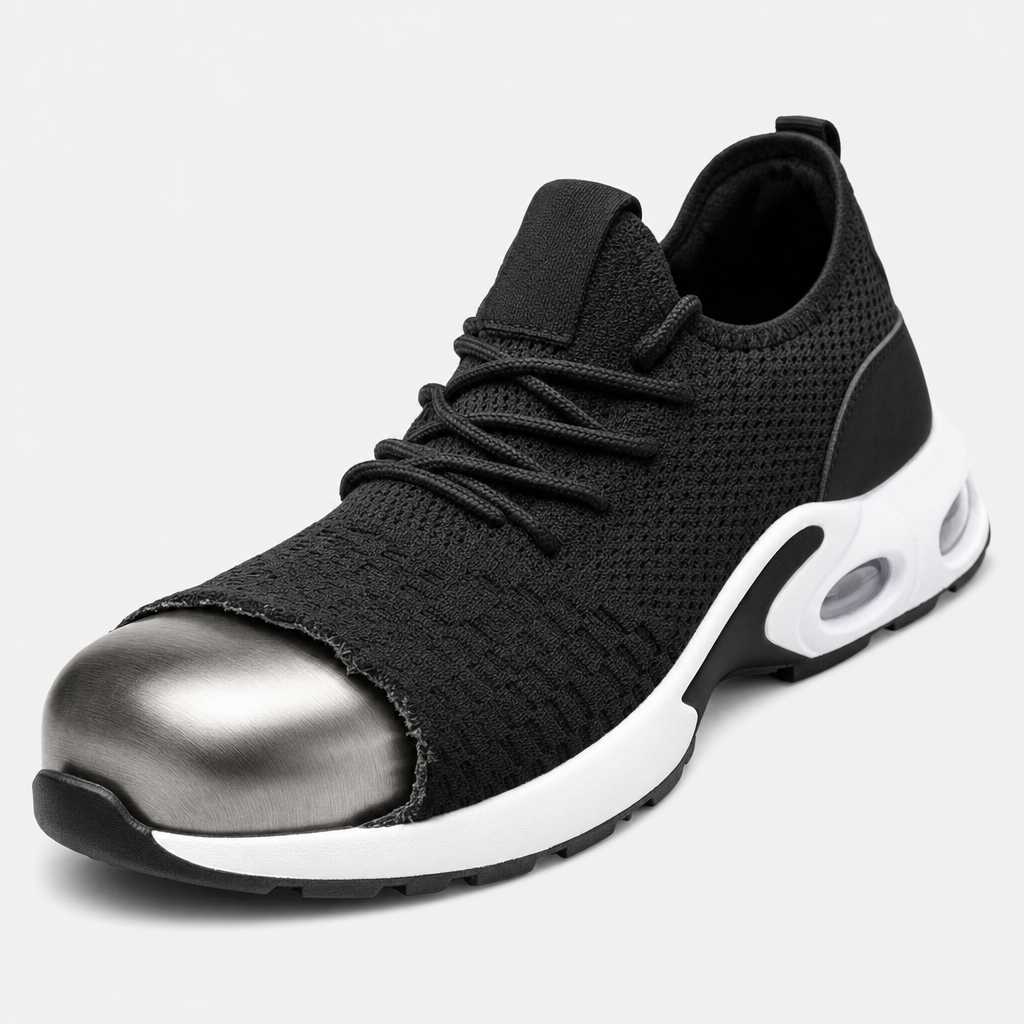
Shraks: Breathable meshReebok: Ultraweave and Flexweave
Both of these shoes use a textile upper, so the honest version of this row is that they are chasing the same thing: Reebok and Shraks have each decided that a shoe you wear for ten hours should breathe rather than armour your foot. The trade is the same on both sides too, because mesh that lets air out lets water in. What it buys you is a softer start, which in this category is the difference between a good first week and a fortnight of blisters.5. Insole
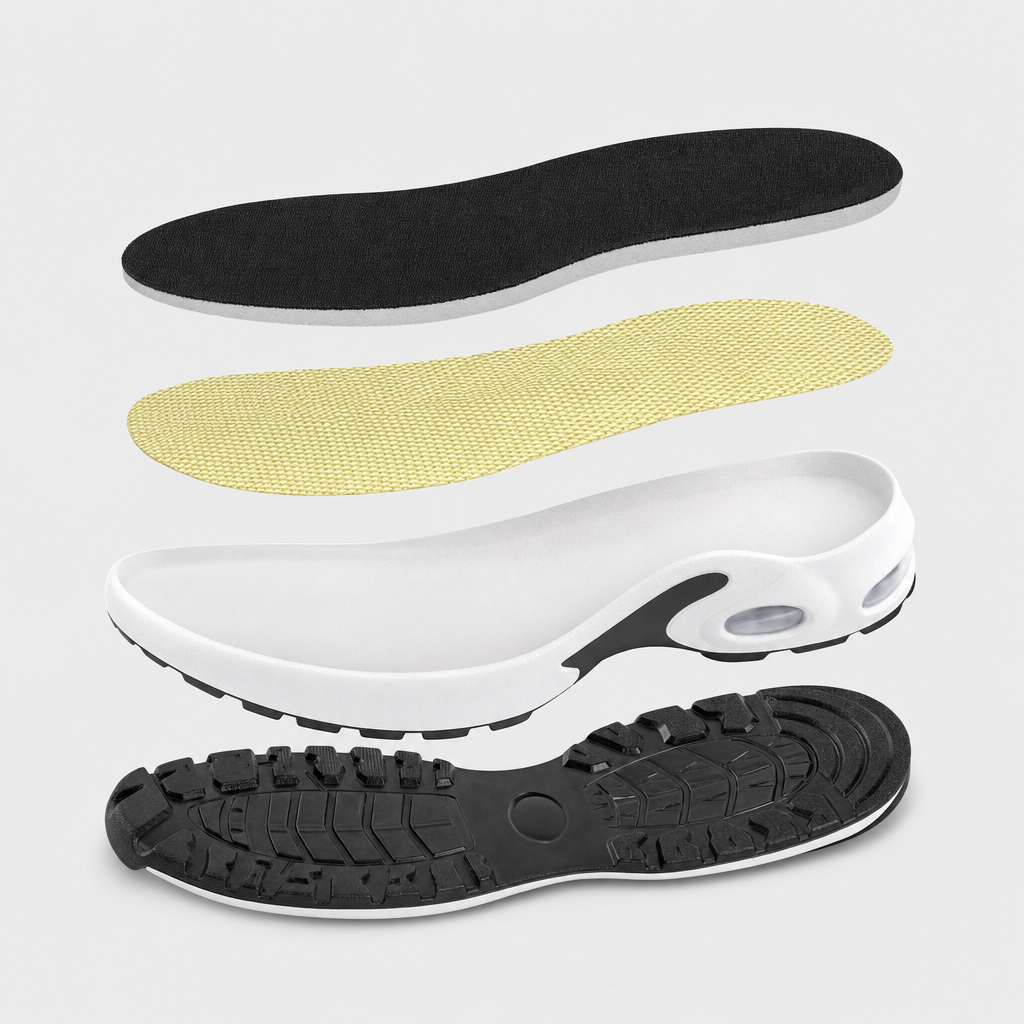
Shraks: Cushioned and removableReebok: Removable
The habit is to buy the shoe and then buy an insert to fix it, which only works if the original comes out. It does in both of these: Reebok and Shraks each ship a removable footbed, so whatever you already wear goes straight in. Worth knowing because a large share of the people who need safety footwear are already in orthotics for exactly the reason they need it, and a glued-in insole quietly rules a shoe out for all of them.
6. Sizing
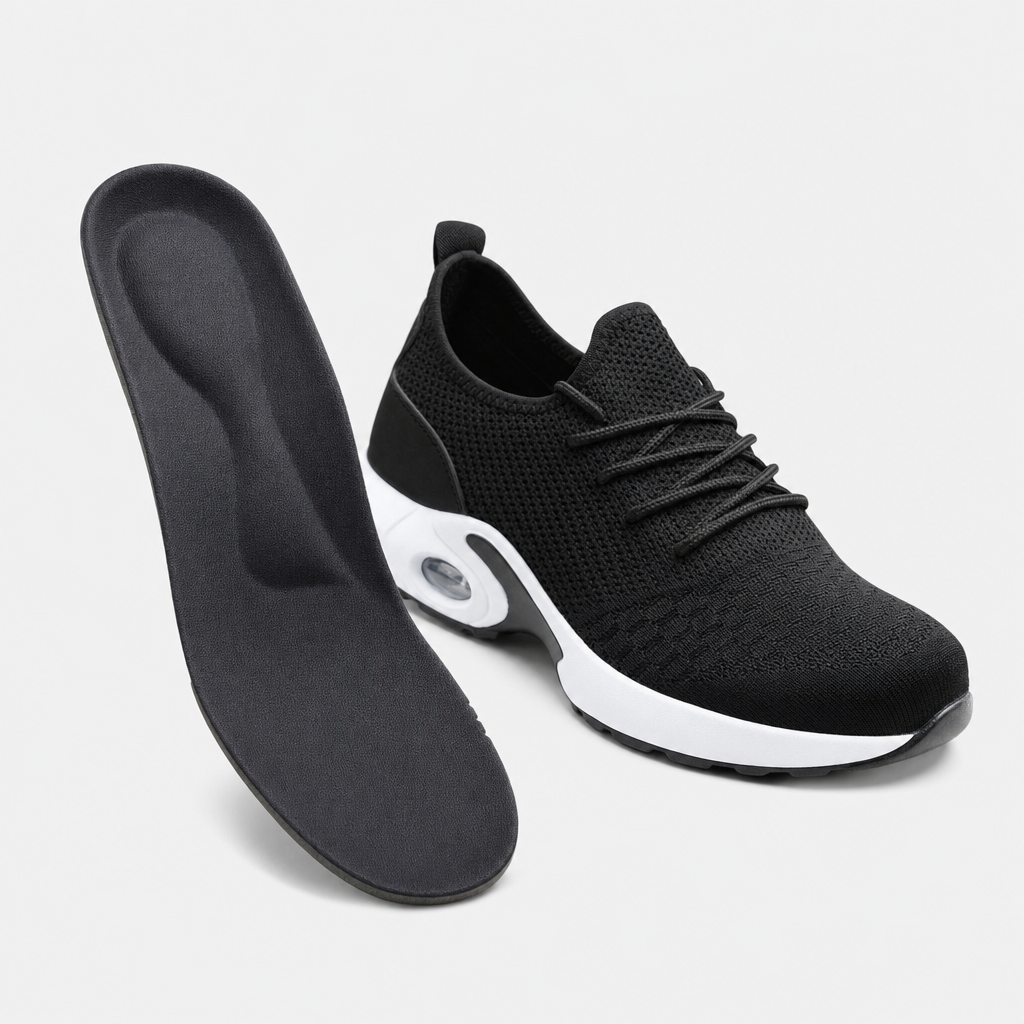
Shraks: EU 35 to 47Reebok: UK 3-13
Reebok and Shraks run the same range, so there is nothing in this row and we are not going to manufacture something. What is worth saying is what a continuous range means: one last scaled across every size, rather than a men's run with the small end relabelled for women. Fit is the specification that sends shoes back, and it is the only one on this page you cannot verify before the shoes arrive.7. Price
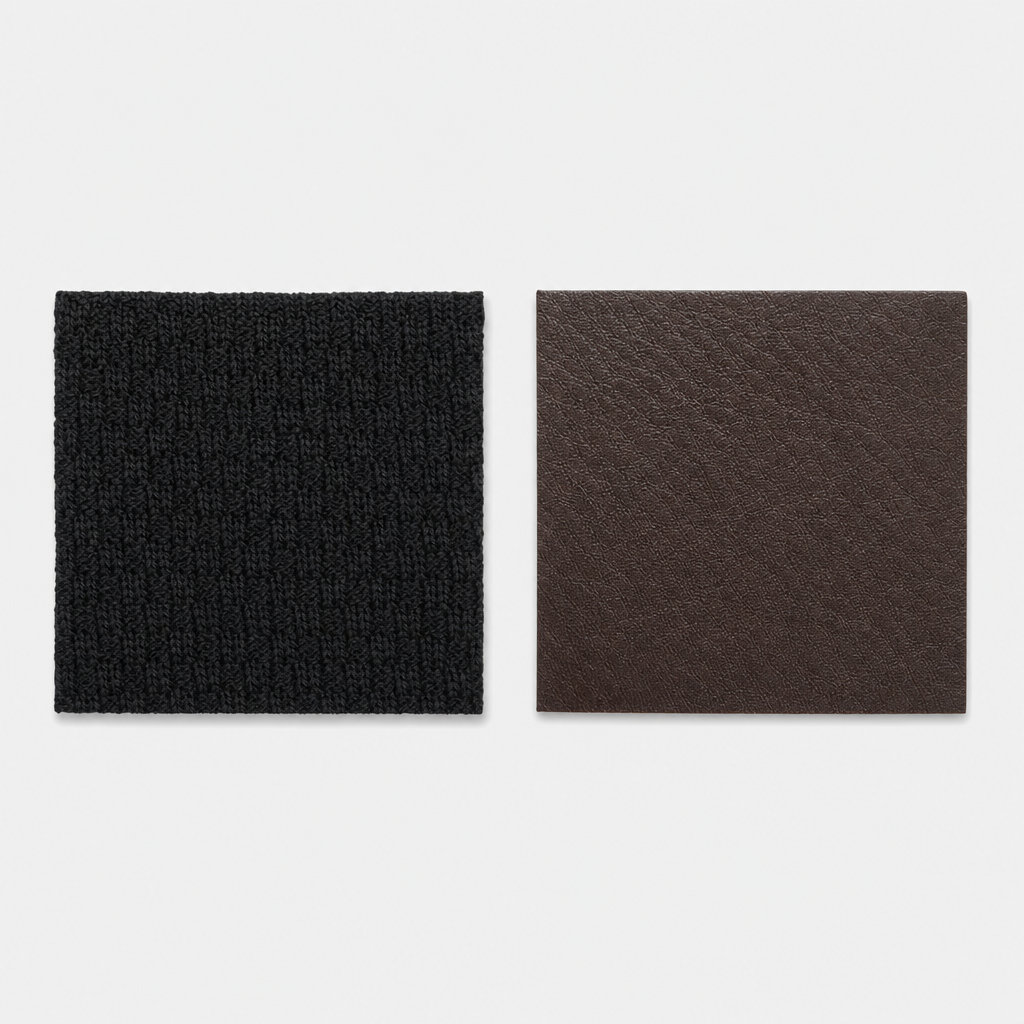
Shraks: £79.99Reebok: £130.49
The instinct in this category is that paying more buys more protection, and the certificate says otherwise. Reebok is the dearer shoe here, and both are certified to the same family of ratings, so the extra is not going into the toe cap or the midsole. It goes into trade distribution, a rep, a catalogue and a brand that has been on sites for decades, which is a real thing to buy and simply isn't protection. Once two shoes hold the same class, price stops being a safety question and starts being a procurement one.8. Returns window
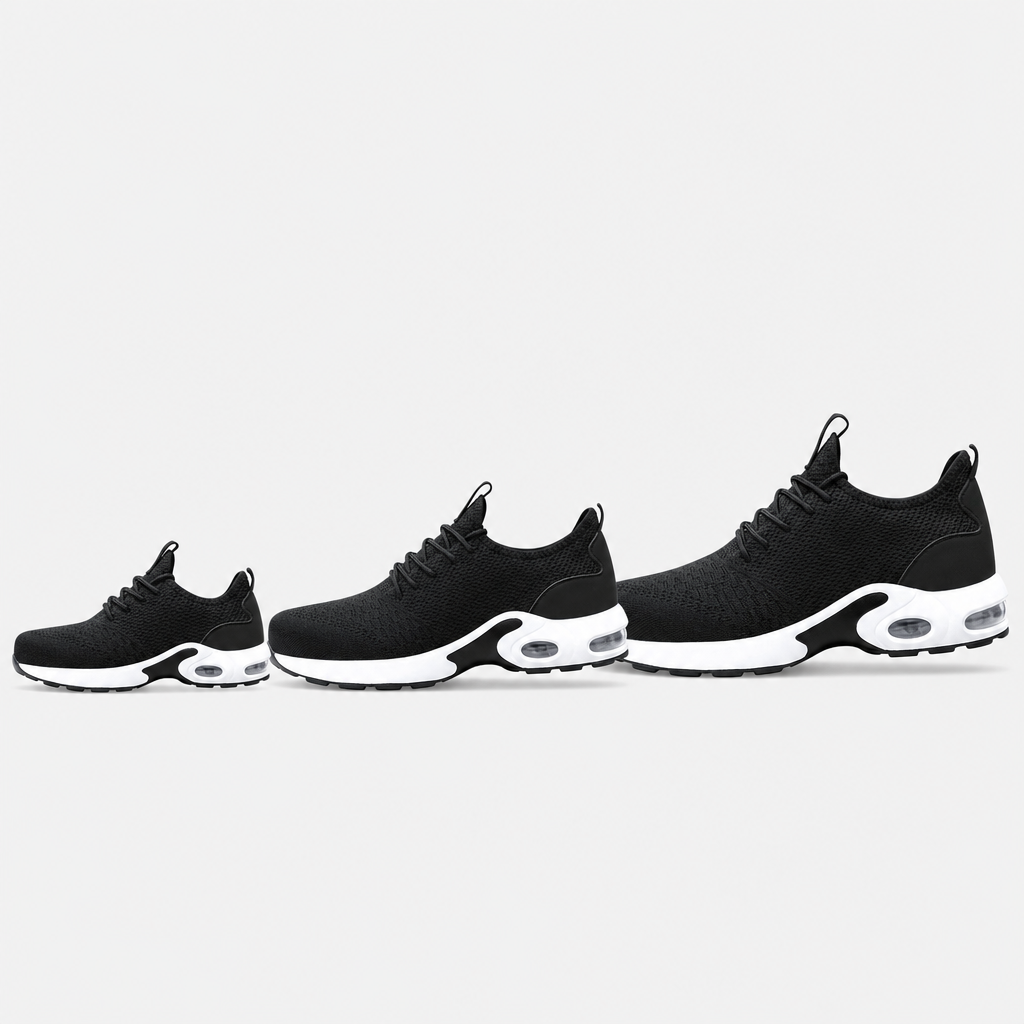
Shraks: 30-day returnsReebok: 28 days
The usual way to buy work footwear is to order from a catalogue and find out on the floor, which is exactly when the statutory window is closing. Reebok gives you 28 days, which covers trying them on at home and almost nothing else. Shraks gives 30 days of actual shifts. Fit is the one specification that isn't on any product page, yours or ours, and it doesn't show up in a hallway, it shows up in hour nine.9. Weight
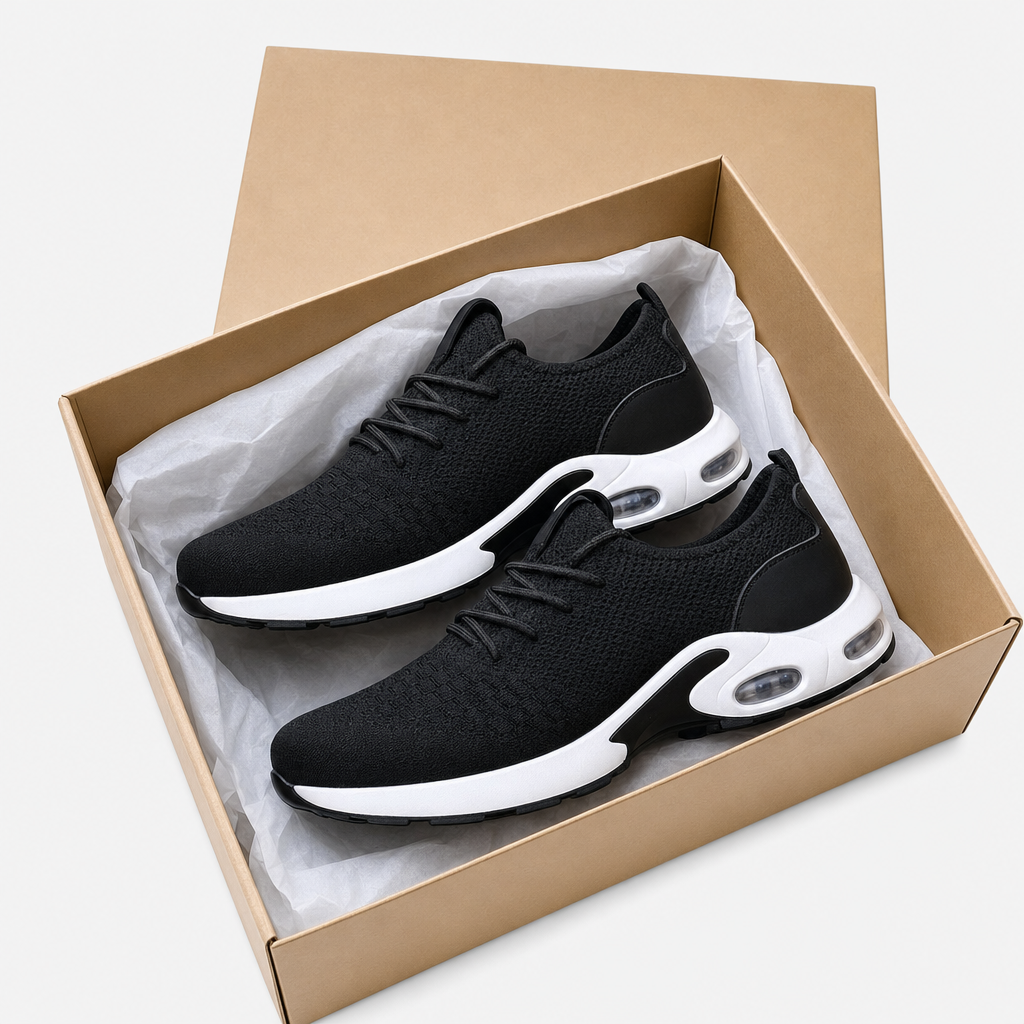
Shraks states about 420 grams a shoe. Reebok publishes no figure you can put beside it, so we do not compare it.Lightweight is the most used word in this category and the least often followed by a number. Reebok does not publish a weight for this shoe, which means the claim can't be checked, and it is not unusual: of the sixteen competitor products we priced for these pages, twelve publish no weight at all, and the four that do never say whether the figure is for one shoe or the pair. Shraks states about 420 grams a shoe. The insight is that weight is the spec you feel every single day and the one the industry is quietest about, which is unlikely to be a coincidence.