Sponsored by Shraks
Shraks vs Skechers Work: Weight, Rating, Grip and Price, Side by Side.
If you are comparing Shraks to Skechers Work, you are choosing between two takes on the same idea: a safety shoe that wears like a sneaker. Both are sold on comfort rather than on toughness alone, which makes the spec sheet the only honest way to separate them.
Below is a straight comparison on the nine points that decide whether a shoe survives your shift: rating, toe cap, puncture protection, upper, insole, sizing, price, returns and what each brand actually publishes about weight.
Check the current specification of any pair you are considering before you buy. Ranges within a brand vary widely, and a line can change between seasons.
Note: this comparison uses publicly listed specifications. Brand names belong to their owners and neither brand has endorsed this page.
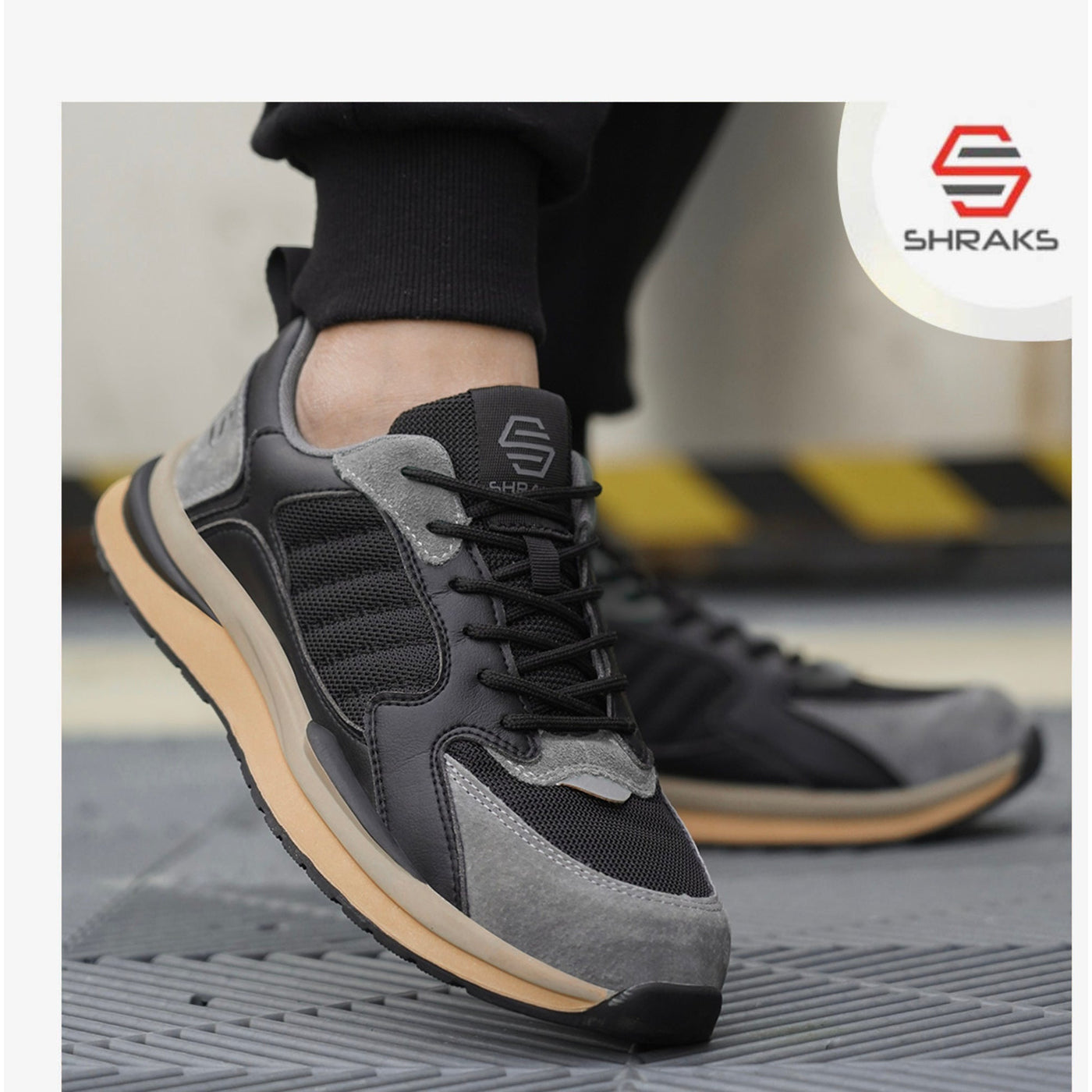
1. Safety rating
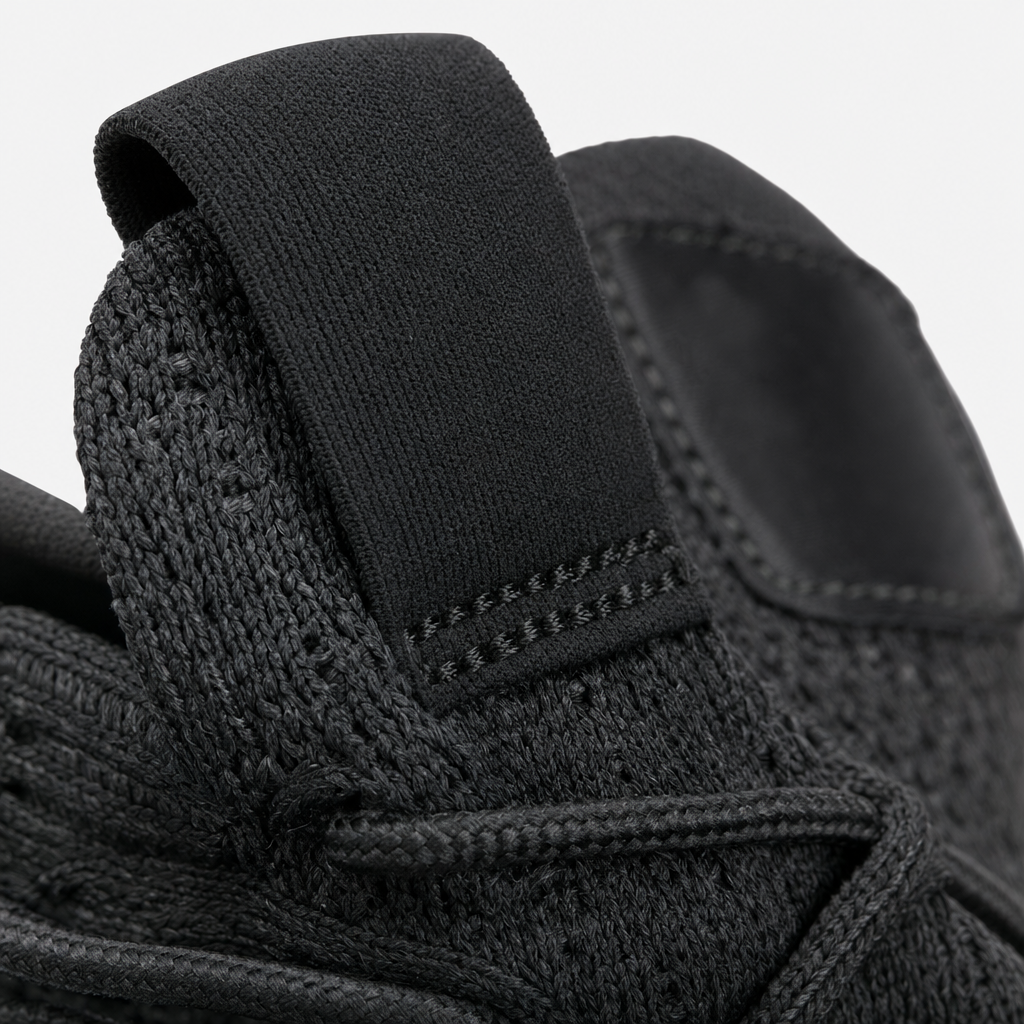
Shraks: ASTM F2413-24 (impact, compression, puncture) and EN ISO 20345:2022 S1PSSkechers: ASTM F2413 (impact and compression; no year or classification codes stated)
In the US the habit is to check for a standard number, see one, and move on. Skechers states ASTM F2413 with no year and no classification codes after it, and those codes are the part that tells you what was actually tested. The Shraks Moon was tested by TÜV Rheinland to ASTM F2413-24 for impact, compression and puncture resistance, and it carries EN ISO 20345:2022 S1PS in Europe as well. A standard number without its year and codes is a label, and a standard number with them is a specification.👉 See the Moon
2. The toe cap
Shraks: Steel toe cap, tested to 200 joulesSkechers: Steel
This is the row where a lot of comparisons pretend there's a difference and there isn't. Skechers uses a steel cap and so does Shraks, both tested to 200 joules, and on toe protection the two shoes are the same answer. Which is useful to know, because it means the decision is being made somewhere else on this page: in the midsole, the weight, the sizing or the return window. Don't let a spec both shoes share do the deciding.👉 See the Moon
3. Puncture resistance
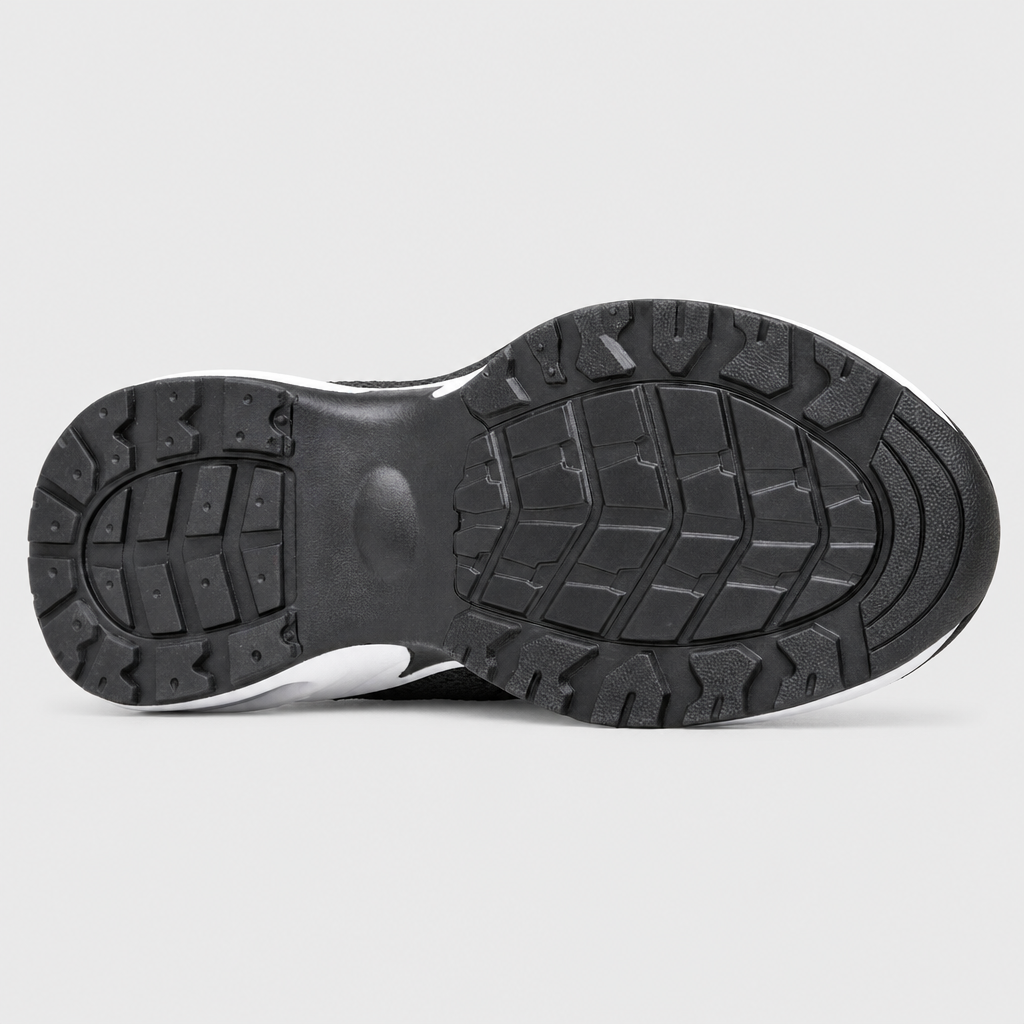
Shraks: Puncture-resistant KevlarSkechers does not state this on the product page.
A cushioned, technical-looking midsole reads as a protective one, and it is doing a completely different job. Skechers' page describes what its midsole does for comfort and makes no puncture-resistance claim anywhere; Shraks states a puncture-resistant Kevlar layer. Air units and foam are built to return energy, not to stop a nail, and the two get conflated constantly because they occupy the same part of the shoe. If you walk across anything that was recently a pallet, this is the row to read twice.👉 See the Moon
4. Upper
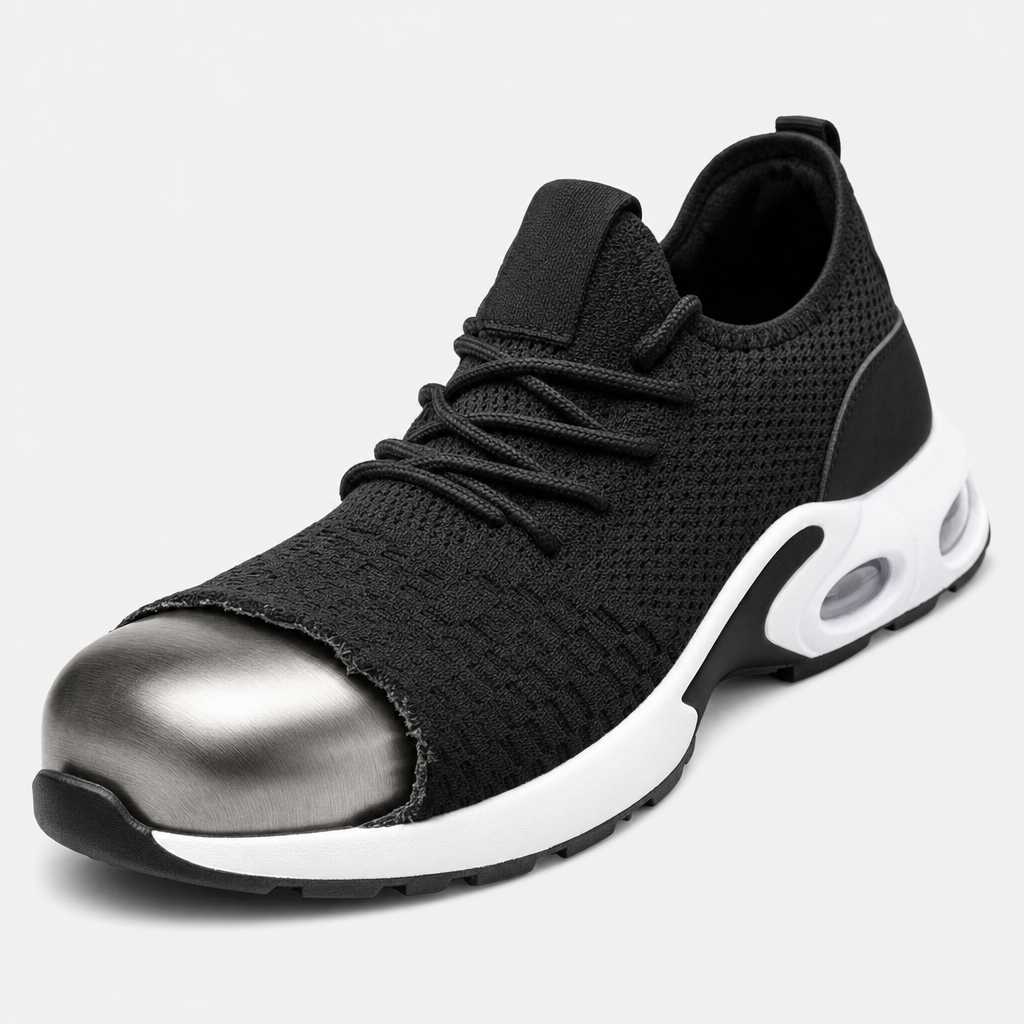
Shraks: Breathable meshSkechers: Leather, synthetic and mesh
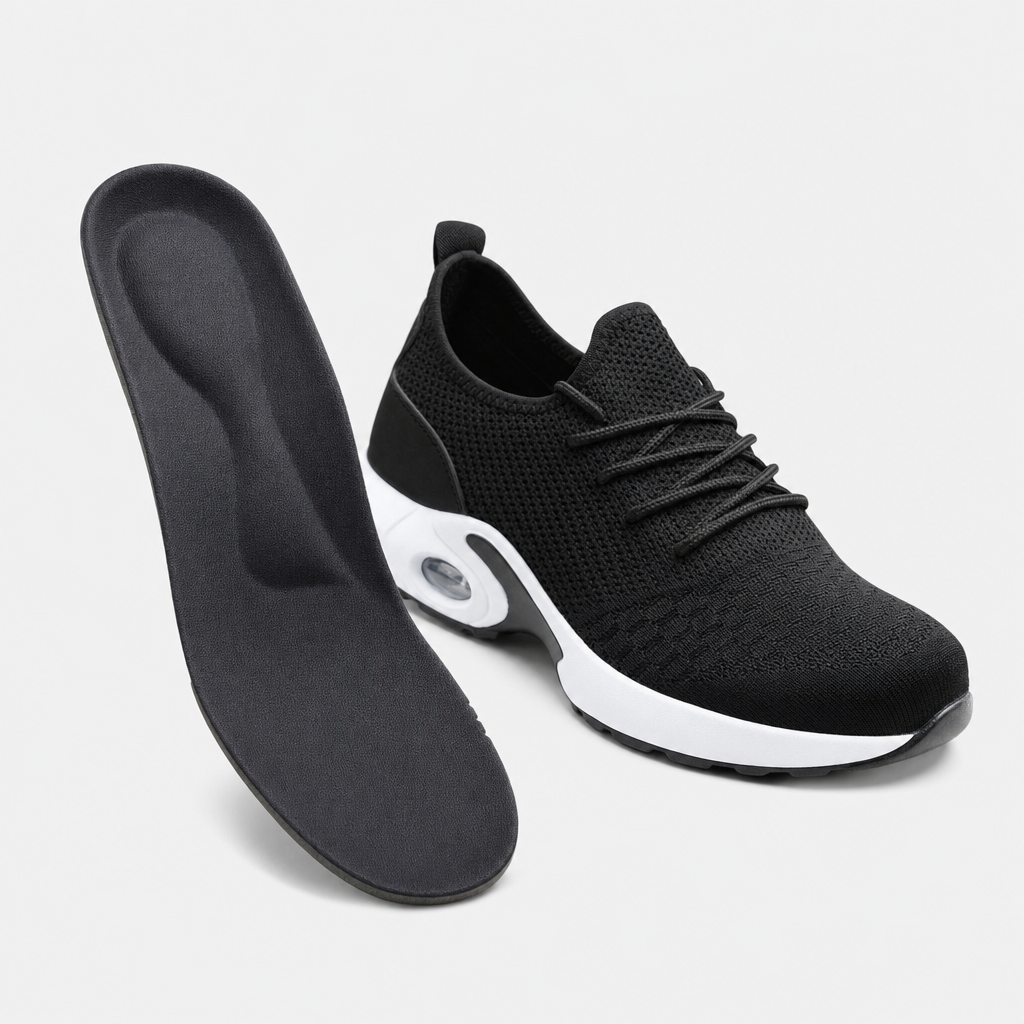
The received wisdom is that leather is the hard-wearing choice and mesh is the flimsy one, and on abrasion that is fair: Skechers' leather upper will outlast mesh against a kerb or a ladder rung. What nobody mentions is the cost of it. Stiff leather is why work footwear has a break-in period at all, and why the first fortnight in a new pair is spent on blisters. Shraks uses breathable mesh, which is lighter, cooler and far less stiff to start with, and which is not waterproof. How long a shoe takes to settle is a property of the material, not a rite of passage.5. Insole
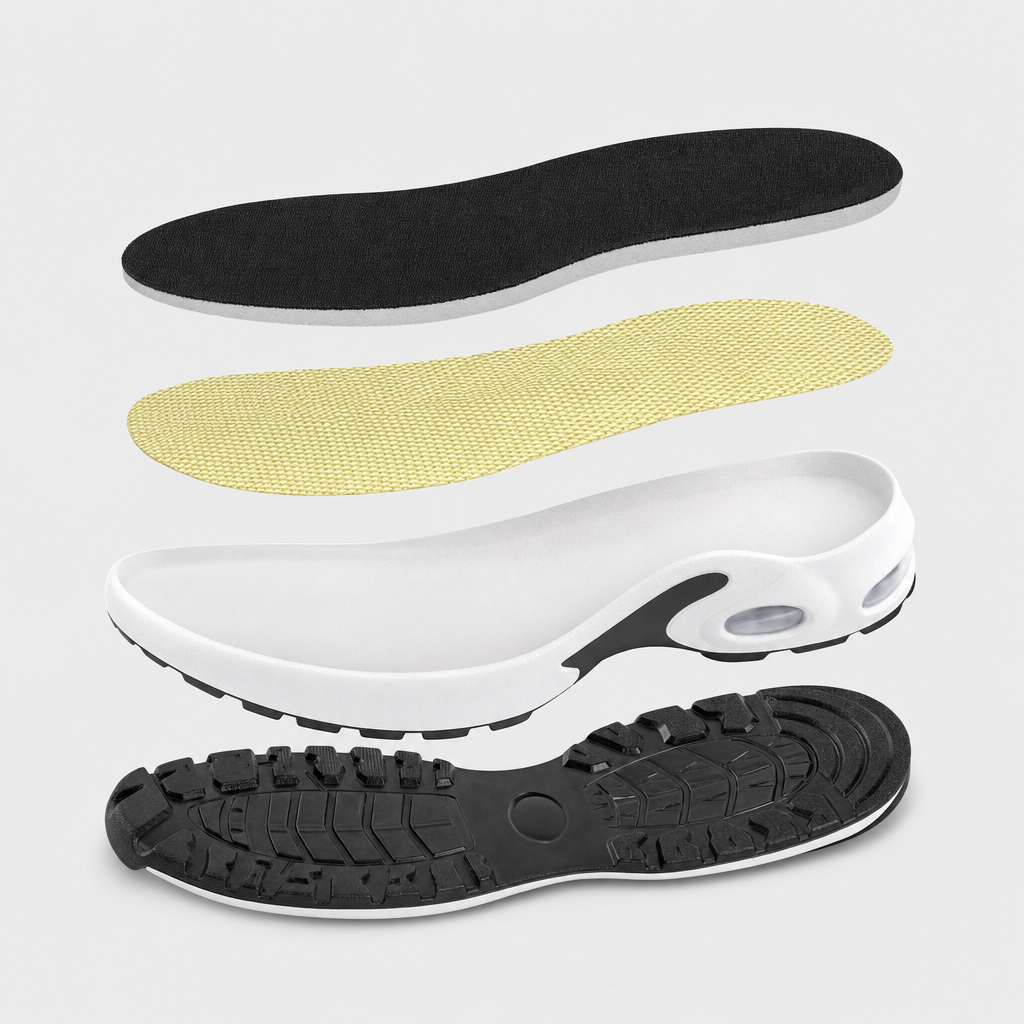
Shraks: Cushioned and removableSkechers does not state this on the product page.
Most people put up with the insole a shoe came with, and the ones who can't buy an insert and hope it fits. Skechers' page never says whether its insole comes out, which is the answer you least want when you already wear orthotics. The Shraks footbed is cushioned and removable, so yours goes in on day one. A glued-in insole doesn't just feel worse, it makes the shoe unusable for anyone carrying a prescription insert, and that is a lot of this trade.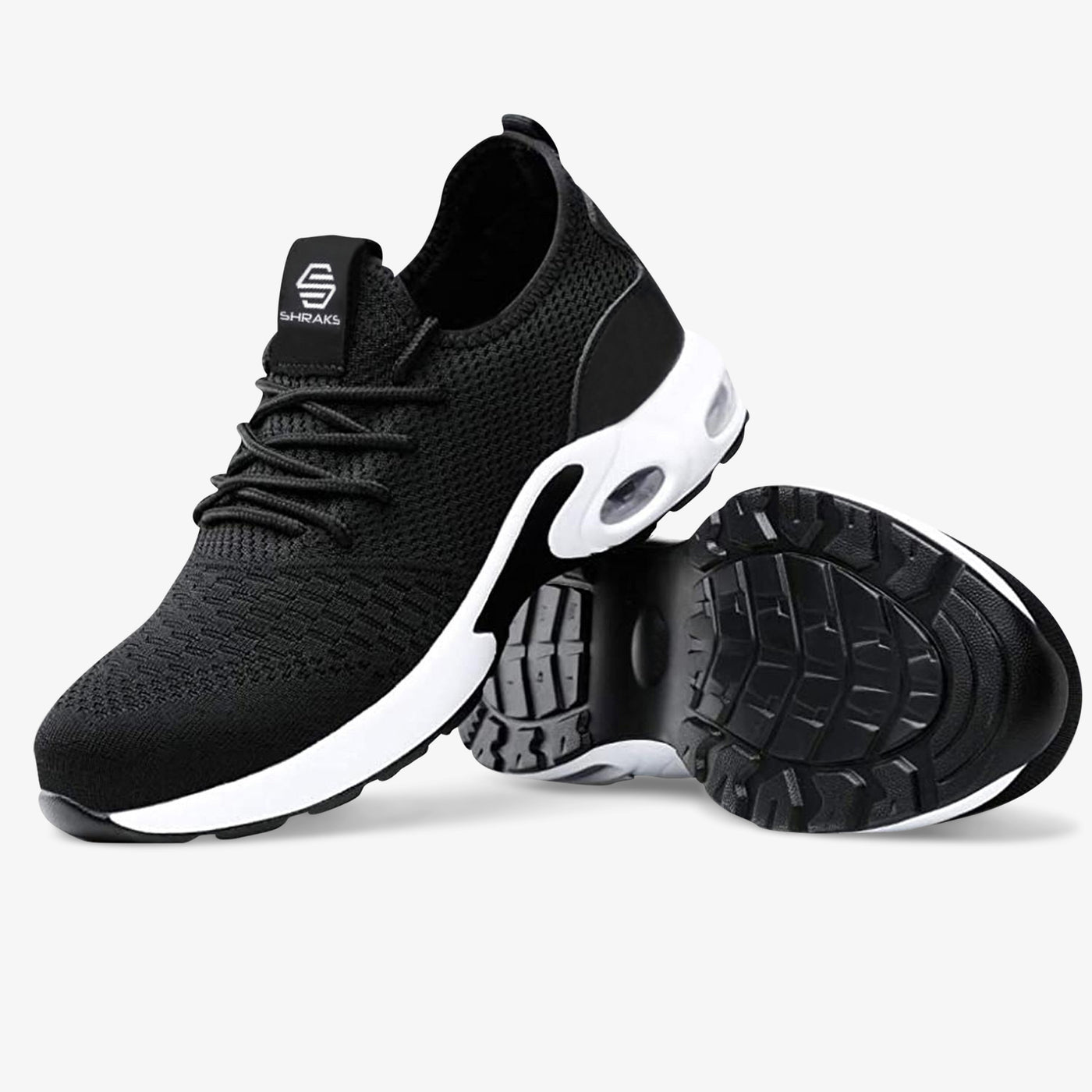

UP TO 40% OFF · FREE SHIPPING
THE MOON SIDE OF THIS COMPARISON
Tested to ASTM F2413-24 and certified to EN ISO 20345:2022 S1PS: a steel toe cap, a Kevlar midsole and a slip-resistant rubber sole, at about 15 oz a shoe. Try them at work for 30 days.
2-3 day delivery
|
FREE shipping
Try them today, 30-day returns.
6. Sizing
Shraks: US men's 4 to 14, women's 5 to 15Skechers: US 7-14, medium and wide
The standard approach to a narrow size range is to take the nearest size up and wear a thicker sock, which moves the blister rather than preventing it. Skechers lists US 7-14, medium and wide, while Shraks runs one range across the whole line. A size range that starts where men's sizes start tells you which foot the last was cut for, and everyone outside that range is buying a scaled-down version of a shoe designed for someone else.7. Price
Shraks: $79.99 $133.99Skechers: $110.00
The instinct in this category is that paying more buys more protection, and the certificate says otherwise. Skechers is the dearer shoe here, and both are certified to the same family of ratings, so the extra is not going into the toe cap or the midsole. It goes into trade distribution, a rep, a catalogue and a brand that has been on sites for decades, which is a real thing to buy and simply isn't protection. Once two shoes hold the same class, price stops being a safety question and starts being a procurement one.8. Returns window
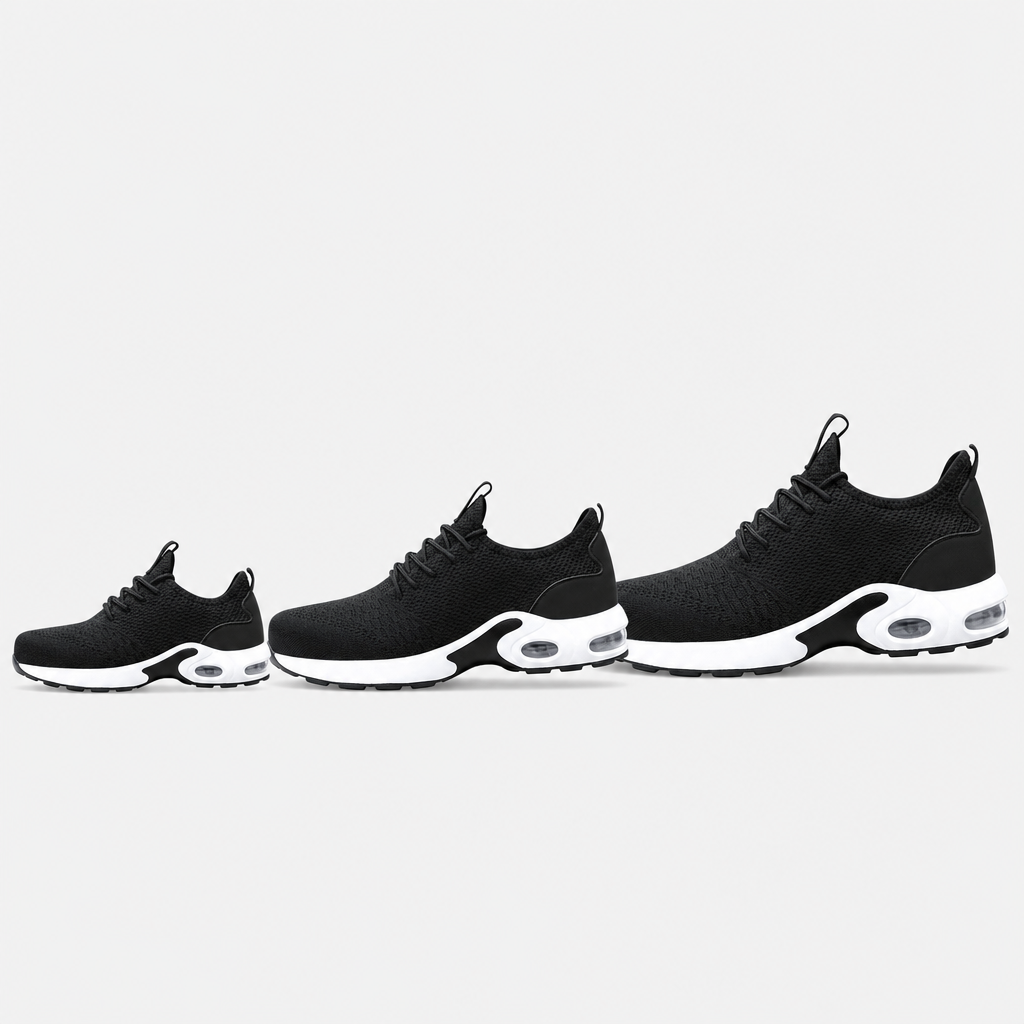
Shraks: 30-day returnsSkechers: 45 days
Skechers gives a longer window than we do, which is a straightforward win for them and worth taking if you are torn. Shraks gives 30 days, which is about three weeks of shifts and enough to know. The reason to care either way is that fit is the only specification that never appears on a product page, so the return window is the only part of the offer that lets you test the part nobody can describe.9. Weight
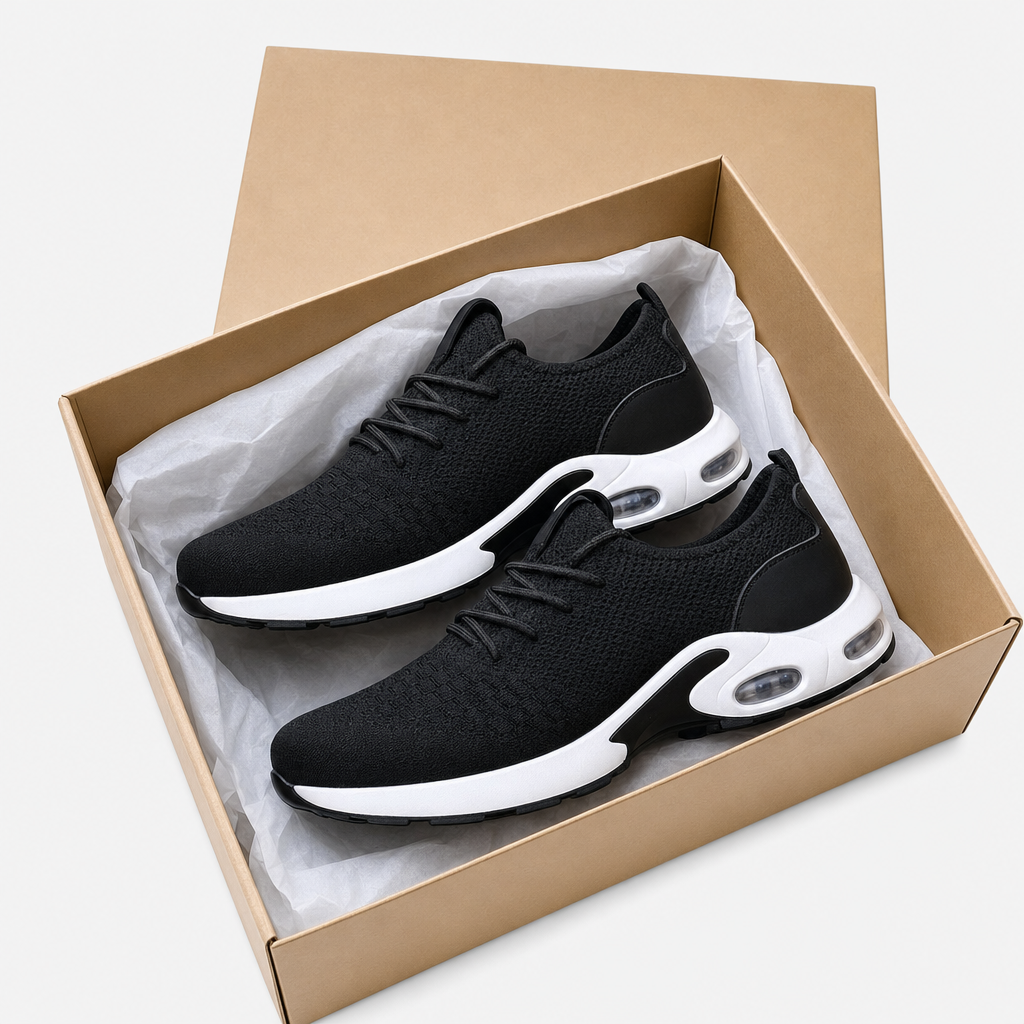
Shraks states about 15 oz a shoe. Skechers publishes no figure you can put beside it, so we do not compare it.Lightweight is the most used word in this category and the least often followed by a number. Skechers does not publish a weight for this shoe, which means the claim can't be checked, and it is not unusual: of the sixteen competitor products we priced for these pages, twelve publish no weight at all, and the four that do never say whether the figure is for one shoe or the pair. Shraks states about 15 oz a shoe. The insight is that weight is the spec you feel every single day and the one the industry is quietest about, which is unlikely to be a coincidence.

UP TO 40% OFF · FREE SHIPPING
THE MOON SIDE OF THIS COMPARISON
Tested to ASTM F2413-24 and certified to EN ISO 20345:2022 S1PS: a steel toe cap, a Kevlar midsole and a slip-resistant rubber sole, at about 15 oz a shoe. Try them at work for 30 days.
2-3 day delivery
|
FREE shipping
Try them today, 30-day returns.